
How To Help Your Child Manage Asthma During Physical Activities
- posted: Aug. 13, 2024
Asthma can make it difficult for kids to fully enjoy certain physical activities due to shortness of breath and other symptoms. Fortunately, there are steps that can be taken to help your child manage asthma during sports, exercise, and other physical activities. The experienced providers at AFB Pediatrics in Pasadena, TX, treat asthma in children and can help develop an action plan for managing your child’s asthma.
Asthma Symptoms and Triggers
Children with asthma can experience a diverse range of symptoms during a flare-up When an asthma flare-up occurs, the airways become inflamed, swollen, and narrow, which makes it difficult to breathe. Symptoms can also occur when the airways become filled with excess mucus. Common symptoms of asthma include:
- Wheezing
- Difficulty breathing
- Shortness of breath
- Tightening or pain in the chest
- Excessive fatigue after physical activity
- Coughing (especially at night)
- Rapid breathing
- Gasping for air
Various factors can contribute to inflammation and narrowing of the airways and trigger asthma symptoms. Common triggers include allergens, smoke, stress, certain foods, fragrances, and engaging in physical activity, such as sports. Minimizing exposure to certain triggers can help reduce the severity of symptoms or prevent a flare-up.
Managing Asthma During Physical Activities
Asthma is a chronic condition that cannot be cured but there are many ways to manage symptoms, especially during physical activities. The skilled providers at our pediatric office in Pasadena, TX, will develop an asthma treatment plan for your child that includes recommendations for managing symptoms.
Some methods for treating asthma and its symptoms include:
- Nebulizer
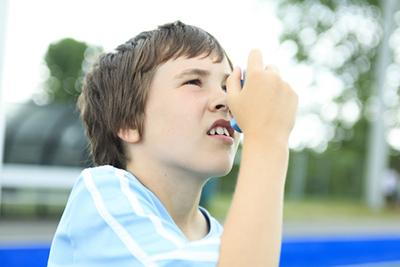
- Portable rescue inhalers
- Corticosteroid controller inhalers
- Anti-inflammatory medications
- Breathing exercises
- Allergy treatment
Several steps can be taken to help your child manage asthma and its symptoms during physical activities, such as working out, playing sports, or participating in PE class. If your child takes medication for asthma, it should be taken 15–30 minutes before engaging in physical activity. Warming up with light activity first can also be helpful. Additionally, it is important to take short breaks periodically during physical activities, which can potentially help prevent symptoms from flaring up or becoming severe.
Another helpful step that can be taken is avoiding asthma triggers, if possible. For example, if cold air tends to trigger symptoms like coughing or wheezing, wearing a scarf or face covering can help by warming the air before it reaches the airways. When the physical activity is over, it can be helpful for your child to cool down with a light walk or jog and stretching. Finally, ensure your child has a portable rescue inhaler on hand during physical activities in case symptoms become bothersome.
If your child has asthma, there are steps you can take to help manage symptoms during physical activities. Schedule an appointment with one of our providers to learn more about managing your child’s asthma by calling AFB Pediatrics in Pasadena, TX, at (832) 386-9200.
- posted: Aug. 13, 2024
Asthma can make it difficult for kids to fully enjoy certain physical activities due to shortness of breath and other symptoms. Fortunately, there are steps that can be taken to help your child manage asthma during sports, exercise, and other physical activities. The experienced providers at AFB Pediatrics in Pasadena, TX, treat asthma in children and can help develop an action plan for managing your child’s asthma.
Asthma Symptoms and Triggers
Children with asthma can experience a diverse range of symptoms during a flare-up When an asthma flare-up occurs, the airways become inflamed, swollen, and narrow, which makes it difficult to breathe. Symptoms can also occur when the airways become filled with excess mucus. Common symptoms of asthma include:
- Wheezing
- Difficulty breathing
- Shortness of breath
- Tightening or pain in the chest
- Excessive fatigue after physical activity
- Coughing (especially at night)
- Rapid breathing
- Gasping for air
Various factors can contribute to inflammation and narrowing of the airways and trigger asthma symptoms. Common triggers include allergens, smoke, stress, certain foods, fragrances, and engaging in physical activity, such as sports. Minimizing exposure to certain triggers can help reduce the severity of symptoms or prevent a flare-up.
Managing Asthma During Physical Activities
Asthma is a chronic condition that cannot be cured but there are many ways to manage symptoms, especially during physical activities. The skilled providers at our pediatric office in Pasadena, TX, will develop an asthma treatment plan for your child that includes recommendations for managing symptoms.
Some methods for treating asthma and its symptoms include:
- Nebulizer
- Portable rescue inhalers
- Corticosteroid controller inhalers
- Anti-inflammatory medications
- Breathing exercises
- Allergy treatment
Several steps can be taken to help your child manage asthma and its symptoms during physical activities, such as working out, playing sports, or participating in PE class. If your child takes medication for asthma, it should be taken 15–30 minutes before engaging in physical activity. Warming up with light activity first can also be helpful. Additionally, it is important to take short breaks periodically during physical activities, which can potentially help prevent symptoms from flaring up or becoming severe.
Another helpful step that can be taken is avoiding asthma triggers, if possible. For example, if cold air tends to trigger symptoms like coughing or wheezing, wearing a scarf or face covering can help by warming the air before it reaches the airways. When the physical activity is over, it can be helpful for your child to cool down with a light walk or jog and stretching. Finally, ensure your child has a portable rescue inhaler on hand during physical activities in case symptoms become bothersome.
If your child has asthma, there are steps you can take to help manage symptoms during physical activities. Schedule an appointment with one of our providers to learn more about managing your child’s asthma by calling AFB Pediatrics in Pasadena, TX, at (832) 386-9200.
Monday
8:00 am - 6:00 pm
Tuesday
8:00 am - 6:00 pm
Wednesday
8:00 am - 6:00 pm
Thursday
8:00 am - 6:00 pm
Friday
8:00 am - 6:00 pm
Saturday
Closed
Sunday
Closed